
Why Your Solar Battery Performance Drops, and How to Fix It
November 11, 2025
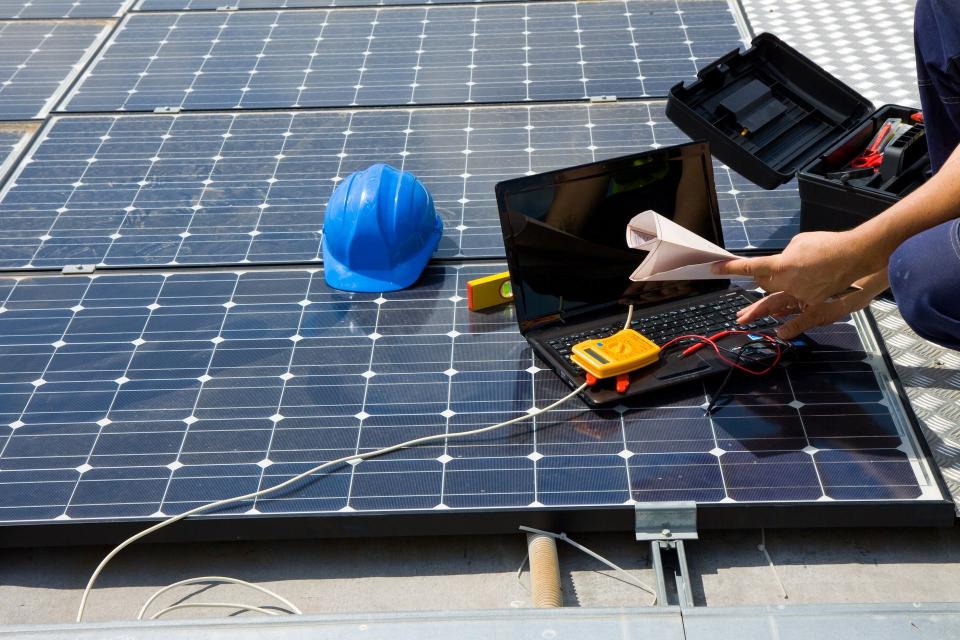
As Pakistan’s energy landscape rapidly shifts toward renewable solutions, solar batteries have become a crucial part of home and commercial solar systems. They store excess energy generated during the day and ensure uninterrupted power during load shedding or cloudy conditions. However, many homeowners notice that after a few years, their solar battery doesn’t perform as efficiently as it once did. If your battery takes longer to charge, provides shorter backup, or fluctuates in performance, it’s time to understand what’s happening. This guide explores the key reasons behind performance drops, along with proven methods to fix or prevent them, specifically for Pakistan’s harsh climate and usage conditions.
1. Temperature Fluctuations, The Hidden Battery Killer
Pakistan’s extreme temperatures, scorching summers that exceed 45°C and cold winters in the north, can heavily affect solar battery efficiency. Heat accelerates the chemical reactions inside batteries, leading to quicker degradation. On the other hand, low temperatures can slow chemical activity, reducing output.
How to Fix It:
- Always install batteries in a shaded, well-ventilated space, preferably indoors.
- Keep them away from direct sunlight or metal enclosures that trap heat.
- If you live in a hot region like Multan, Bahawalpur, or Sukkur, consider lithium-ion batteries, as they handle heat better than lead-acid ones.
A temperature-controlled environment can add 1–2 extra years to your battery’s life.
2. Irregular Charging and Discharging Cycles
Your battery’s performance depends on balanced charging cycles. Overcharging or deep discharging both cause irreversible capacity loss. Many homeowners unknowingly drain their batteries below 20% or keep them constantly at 100%, which shortens their lifespan.
How to Fix It:
- Use an advanced inverter or charge controller that prevents overcharging.
- Keep your battery within a 20%–80% charge range.
- Schedule a monthly health check using the inverter’s monitoring app or display.
Smart monitoring helps maintain efficiency and ensures you get consistent backup during power cuts.
3. Poor Maintenance and Dust Accumulation
Dust and humidity are everyday challenges in Pakistan. Accumulated dirt on battery terminals or vents can cause corrosion, loose connections, and poor conductivity. Over time, this results in voltage drops and slower charging.
How to Fix It:
- Clean your battery terminals every 2–3 months using a dry cloth.
- Check for corrosion and apply petroleum jelly on terminals for protection.
- Ensure proper air circulation to prevent moisture buildup.
Regular cleaning can improve charging efficiency by up to 10–15%, especially in dusty environments like Lahore or Karachi.
4. Battery Aging and Natural Wear
All batteries, regardless of type or brand, have a limited chemical lifespan. Lead-acid batteries typically last 4–6 years, while lithium-ion models can go 8–12 years depending on usage and temperature.
Warning Signs of Aging:
- Reduced backup time despite full charging.
- Voltage drops during appliance use.
- Frequent inverter low-battery alerts.
How to Fix It:
While aging can’t be reversed, you can slow it down: - Avoid complete discharge cycles.
- Use your battery regularly, idle batteries degrade faster.
- If performance drops below 70%, consider upgrading to a lithium-ion model from Apex Solar’s advanced range for better efficiency and longer life.
5. Mismatched Solar Components
A battery performs best when paired with compatible solar panels and inverters. Mismatched voltages or charging currents often lead to underperformance or premature wear. Unfortunately, many local installations in Pakistan use mixed brands without proper calibration.
How to Fix It:
- Always use compatible panels, inverters, and batteries from trusted brands.
- Ask your installer to perform a full system audit every year.
- Choose reputable providers like Apex Solar, which offer end-to-end system integration and maintenance support.
Proper configuration ensures smooth charging, optimal performance, and fewer breakdowns.
6. Power Usage Habits
Your own usage pattern can impact solar battery performance. Running heavy appliances like air conditioners or irons during low sunlight hours puts unnecessary load on stored energy.
How to Fix It:
- Schedule high-energy tasks during daylight when panels generate power.
- Use energy-efficient appliances to reduce load.
- Avoid connecting high-consumption devices directly to the battery output.
Small behavioral changes can significantly extend battery backup time and reduce system strain.
7. Ignoring Routine Battery Health Checks
Just like a car, solar batteries need regular checkups to maintain performance. Ignoring small issues, like fluctuating voltage or irregular charging, often leads to larger problems later.
How to Fix It:
- Have your solar technician inspect your system every 6–12 months.
- Check inverter readings weekly to monitor charge and discharge levels.
- Replace damaged wires or connectors immediately to prevent further damage.
Routine maintenance ensures your system runs efficiently year-round and helps detect early warning signs before costly replacements are needed.
Conclusion, Restore Power, Restore Savings
You don’t always need a new battery, sometimes you just need better care. Simple steps like temperature control, regular maintenance, and proper usage can restore your solar battery’s performance and extend its lifespan. With Pakistan’s growing solar adoption, understanding how to maintain your system is key to maximizing your investment. At Apex Solar, we provide complete solar energy solutions with premium batteries, expert installation, and after-sales support to keep your system running efficiently for years.
Related Post

Project Inquiry
If you have a project request, please submit the form here and our sales consultant will contact you as soon as possible.
 English
  Urdu
Urdu