
Apex Solar: How Pakistan’s New Solar Policies Will Change Home Energy in 2026
November 27, 2025
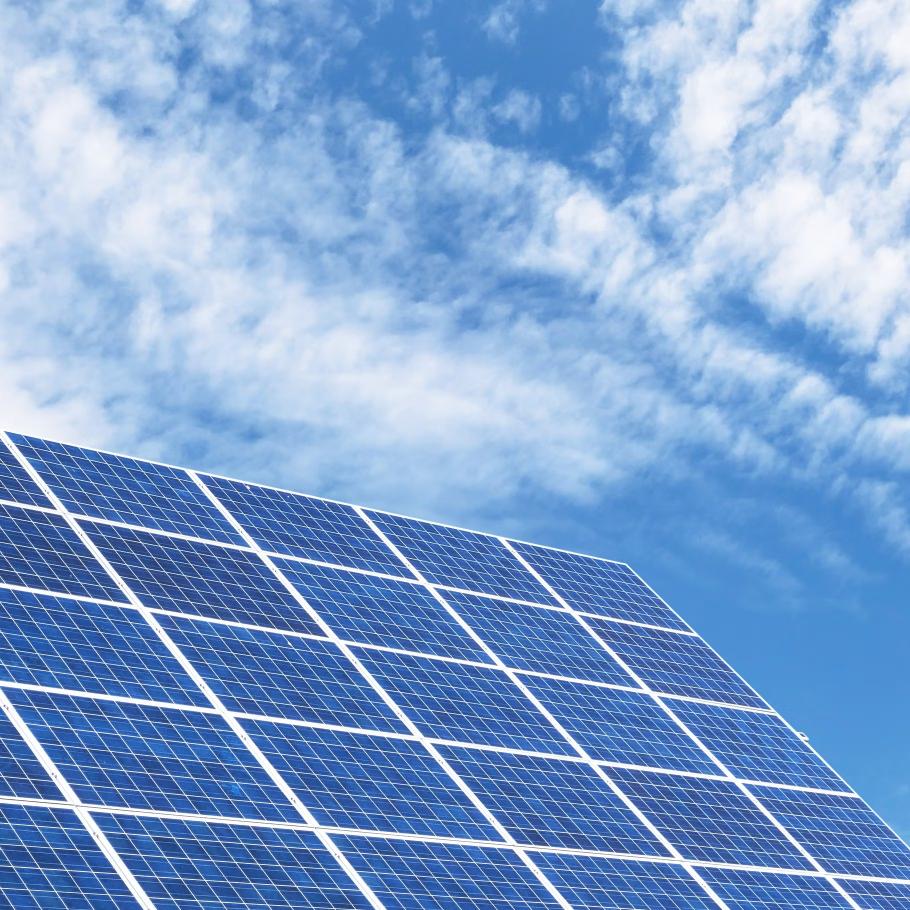
Pakistan’s solar sector is entering a new stage of growth, driven by improved government policies and increased consumer demand for stable, affordable power. In 2026, several policy updates are expected to reshape how households and businesses install, use, and benefit from solar energy. Apex Solar breaks down what these changes mean for customers planning to invest in solar solutions.
Stricter Quality Control for Solar Equipment
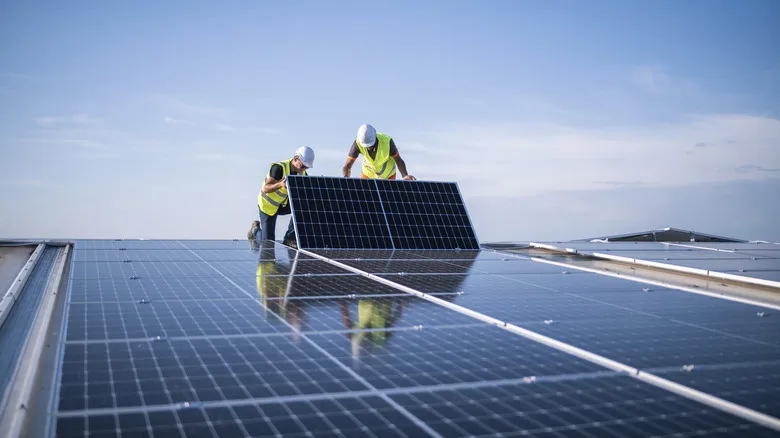
One of the biggest policy shifts for 2026 is the introduction of stronger quality standards for solar panels, inverters, and batteries. These rules aim to reduce market flooding of low-quality products that fail early or underperform in Pakistan’s climate. Apex Solar supports these changes because they protect customers and encourage long-lasting installations. High-efficiency panels and stable hybrid inverters will become the industry minimum rather than a premium option.
Improved Net Metering Framework
Pakistan is preparing to refine its net metering system, allowing homeowners to get clearer, more consistent returns on their extra solar units. While past systems faced delays and inconsistencies, 2026 policies aim to streamline approvals, make tariffs more transparent, and ensure fair compensation. Apex Solar expects smoother net metering experiences for customers, enabling faster financial payback on solar investments.
Incentives for Energy Storage and Backup Systems
Load-shedding continues to push families toward battery-supported solar solutions. For 2026, the government is considering incentives for energy storage systems that offer reliable backup during outages. Apex Solar specializes in hybrid systems that combine panel power with intelligent battery management, making homes more resilient and less dependent on the grid.
Commercial Solar Will Become More Affordable
Businesses have traditionally struggled with high setup costs for large solar systems. Updated tax structures and reduced import duties in 2026 may lower the cost of commercial-scale setups. Apex Solar is preparing designs from 20kW to 200kW that meet new regulatory requirements while delivering stable performance for factories, offices, and retail operations.
Smart Solar Technology Will Be Encouraged
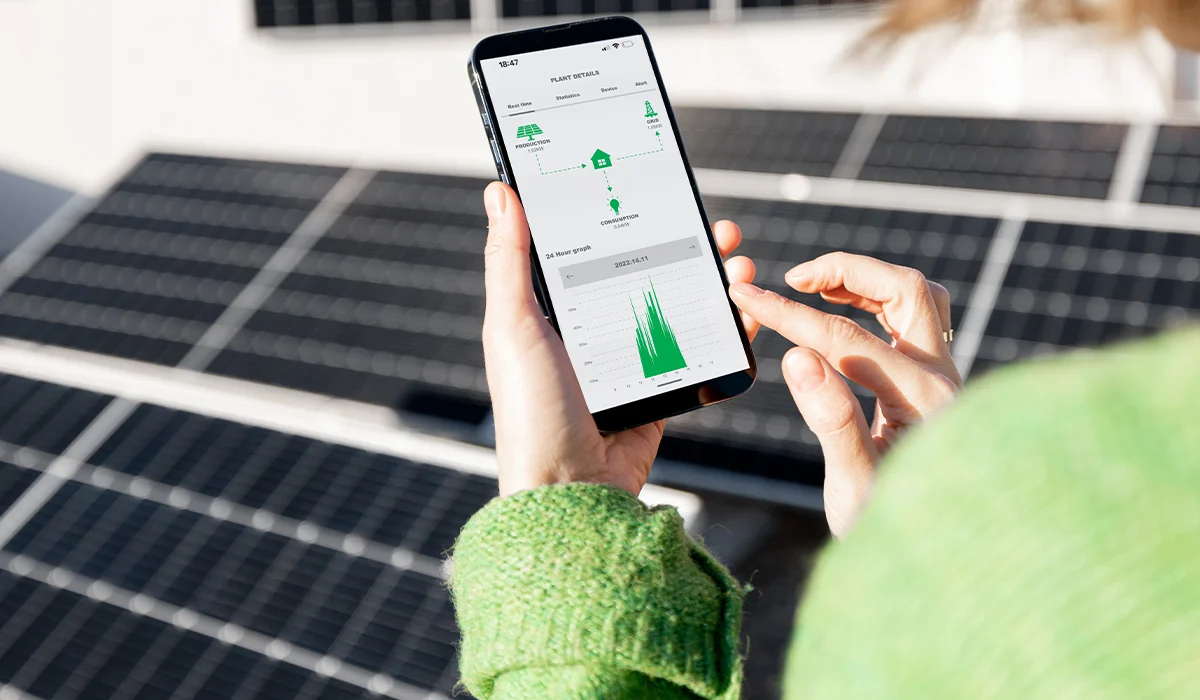
As Pakistan moves toward digital energy management, policies will begin promoting smart monitoring, remote diagnostics, and automated power optimization. Apex Solar already integrates intelligent monitoring systems that help users track savings, system health, and battery performance through real-time data. This shift will reduce maintenance costs and increase system efficiency.
Focus on Local Manufacturing and Job Growth
2026 will emphasize expanding local production of solar equipment to reduce import dependency. This shift will create new jobs and promote Pakistan-made components. Apex Solar supports the growth of local manufacturing and is committed to offering products that meet international performance standards while encouraging domestic innovation.
What This Means for Homeowners
For households planning to install solar systems in 2026, these new policies can mean better returns, improved system quality, and more reliable backup options. Apex Solar aims to guide every customer through the new regulatory landscape with clear recommendations and custom system designs.
Conclusion
Pakistan’s updated solar policies will make 2026 an important year for clean energy adoption. Apex Solar is ready to lead this change by offering high-quality technology, efficient hybrid systems, and transparent guidance for both homes and businesses. As policies strengthen and technology advances, solar power will become Pakistan’s most dependable energy source.
Related Post
Project Inquiry
If you have a project request, please submit the form here and our sales consultant will contact you as soon as possible.
 English
  Urdu
Urdu